
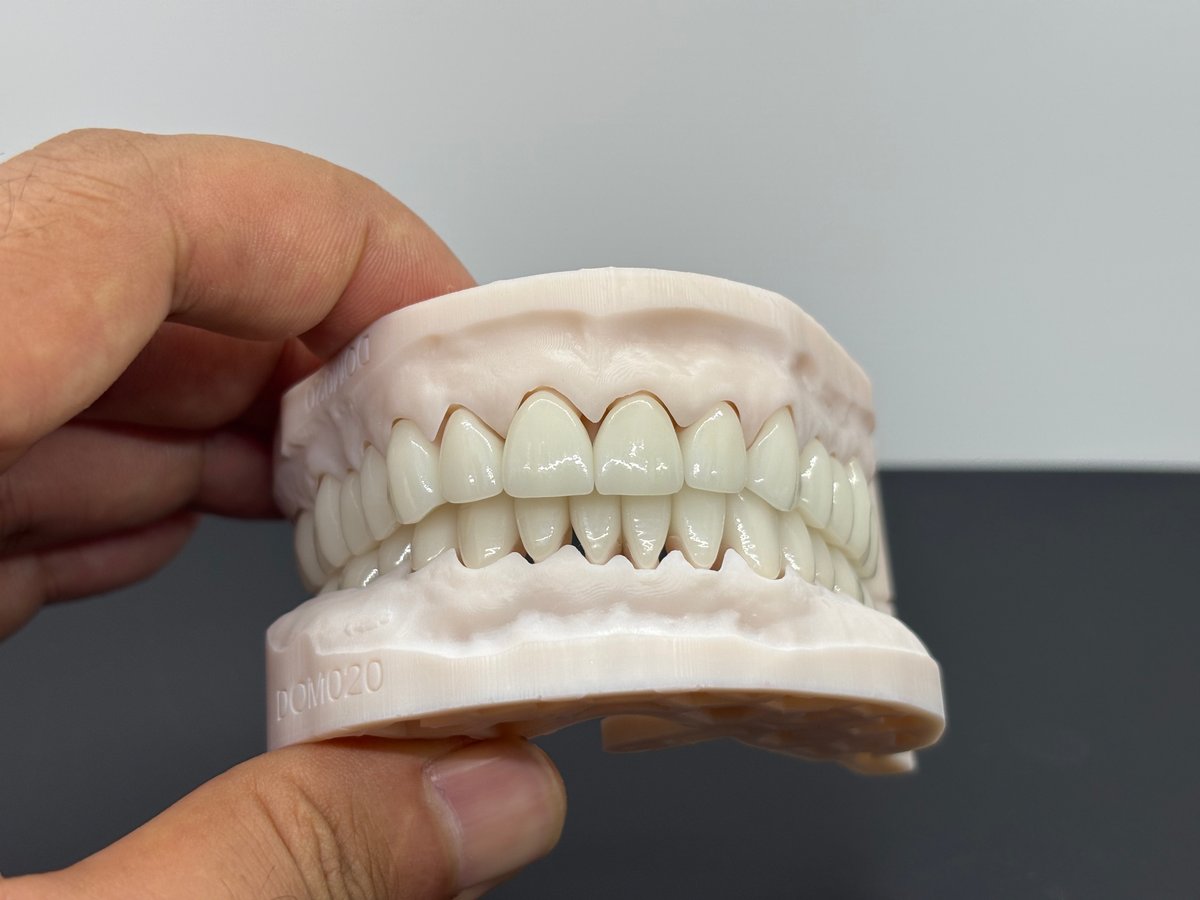
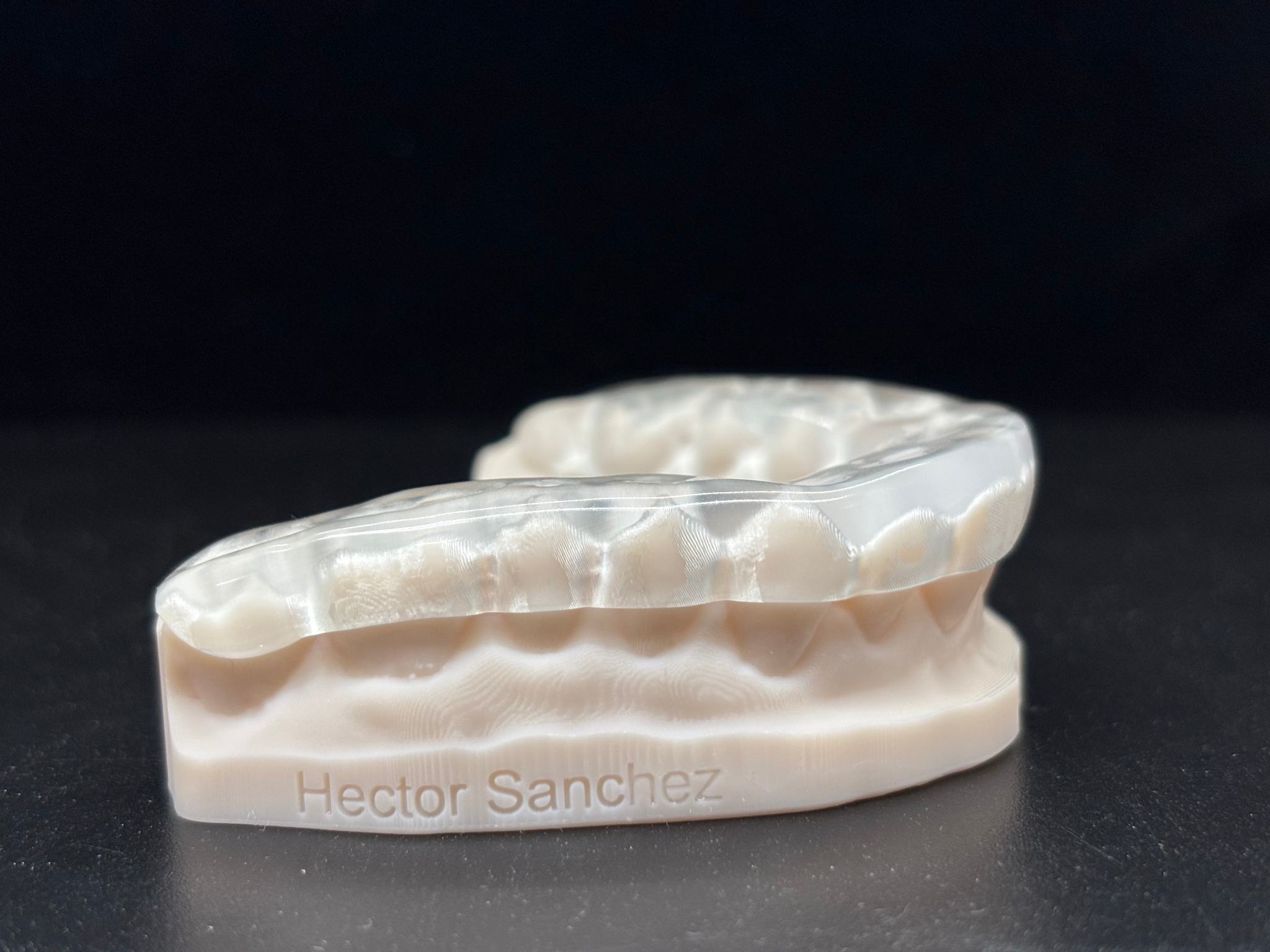
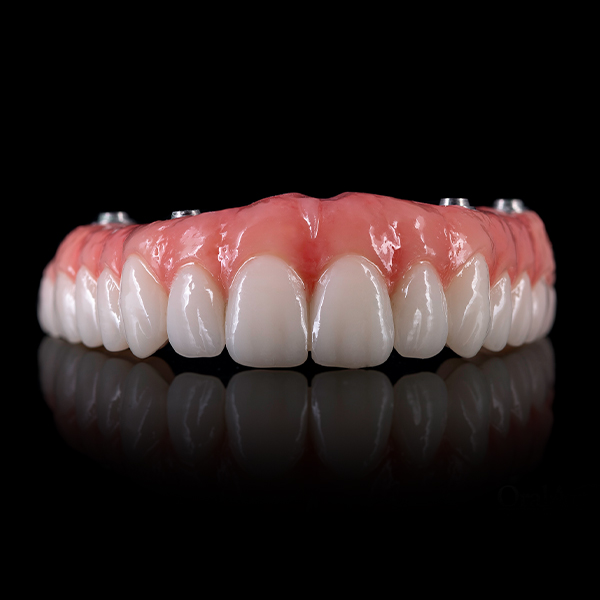

Related news
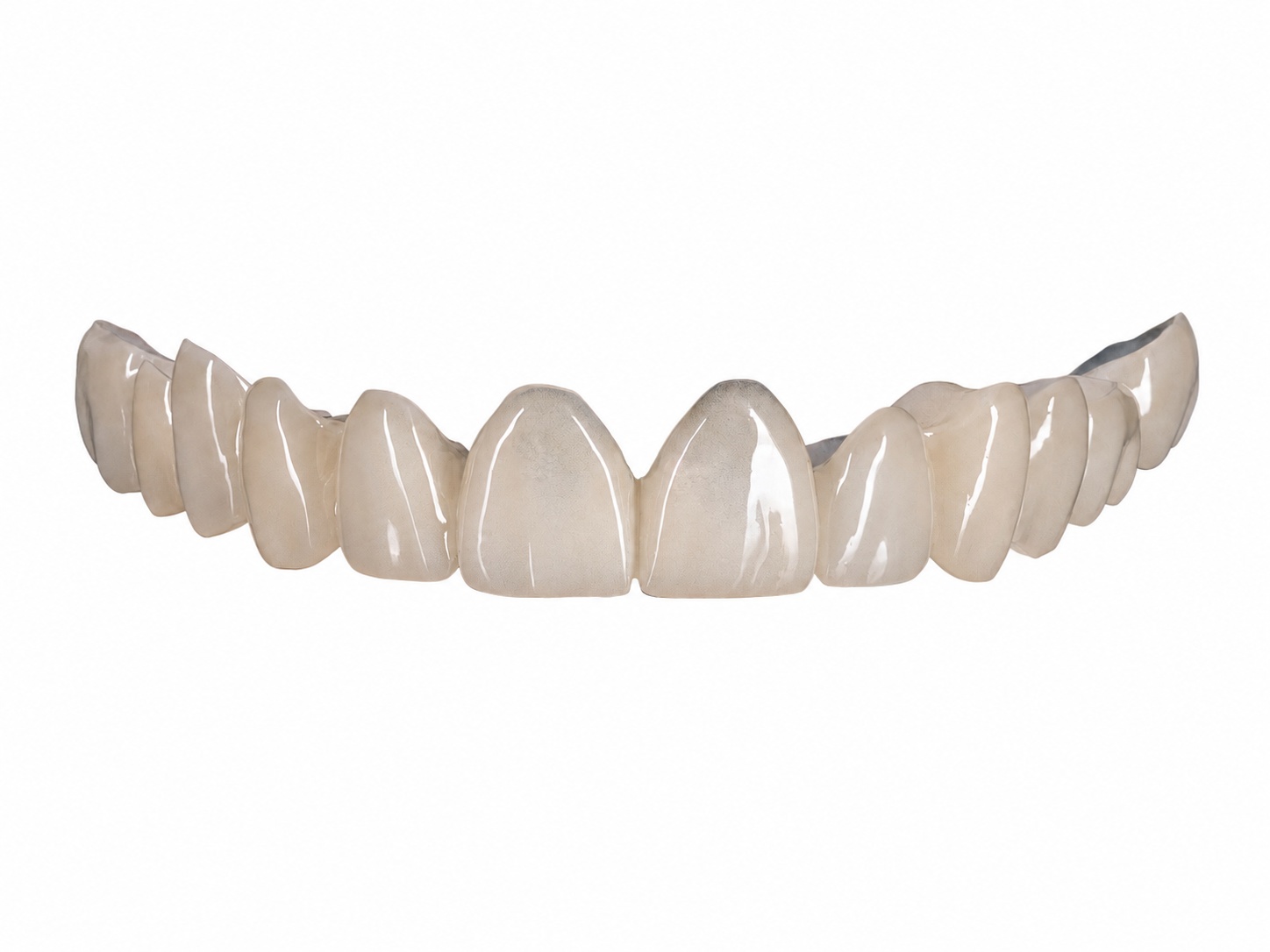
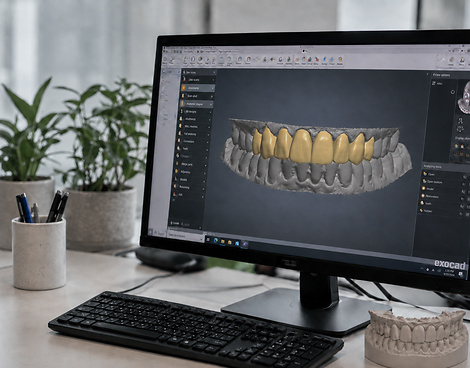
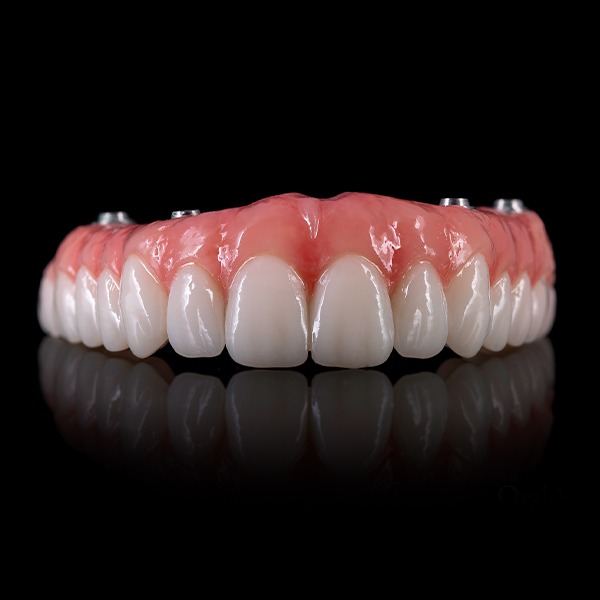
From Intraoral Scan to Final Dental Restoration
Your lab has the scan, but can work actually begin? An unclear margin can stop design work. Without a material choice, you cannot give the production team a complete order. Assign the intake questions to someone who can get an answer before you pass the case to an external designer or processing team. We can follow the digital dental production workflow by looking at what the next person needs to receive, from the scan through to the inspected restoration.
The case record determines what can be designed
File receipt is an administrative event. Acceptance for design requires a technical review. Your case record should connect the upper and lower scans with the bite data, tooth identification, restoration type and prescription. Add shade information and photographs where the case needs them. Implant cases also require the relevant implant system information. A filename alone cannot carry those instructions reliably.
The scan needs to show the surfaces on which the design depends. For a prepared tooth, uncertainty around the margin deserves attention before the designer draws a definitive boundary. A doubtful bite relationship also needs clarification. 3Shape’s TRIOS scanning guidance treats margin detail and bite alignment as specific scanning concerns. Those checks belong at intake because later design decisions depend on the records being usable.
A missing instruction and a missing surface are different problems. Your team can clarify a material choice through case communication. A surface absent from the scan may require additional clinical records. A useful hold note names the missing record and the person expected to provide it. Your coordinator can then chase an answer instead of asking why the job has stopped.
CAD turns the prescription into a reviewable proposal
The designer interprets the accepted records within the requested restoration and manufacturing route. Margin definition establishes the intended boundary. The designer also reviews the insertion direction and internal surfaces, then checks contacts and occlusion. Space limits what anatomy is possible. Thickness and connectors deserve their own review for the manufacturing route, even when you are already happy with the appearance.
A digital design dental lab needs your preferences in usable terms. A request for lighter contacts needs to say where it applies. Write the preference into the case instructions. A conversation with another technician leaves the assigned designer without a record to work from. We can apply your case-specific preferences at SDS, whether you order design files alone or ask us to manufacture the restoration too.
Changing a connector raises a production question: does the replacement geometry still meet the requirements of the chosen route? A cusp or insertion-direction change can also warrant another check. Specify what needs review when returning the proposal, then label the replacement export with its revision.
Approval fixes the version that enters production
Which version did your customer approve? An email saying the case looks good cannot answer that if your team has sent several previews. Put the revision and material beside the case identifier in the approval record. If a condition remains open, keep it visible and obtain the answer before releasing production.
An order for custom dental prosthetics needs an agreed endpoint. A design-file order ends with the agreed digital output for your own production route. A finished-restoration order continues through manufacturing, inspection and physical delivery. We offer both at SDS. You can review the proposed design before we process the approved case.
For example, imagine receiving a material-change request after the customer has approved the anatomy. Before release, check the existing geometry against the requirements of that replacement material. The earlier approval describes an earlier set of conditions. It does not settle the revised case automatically.
CAM and finishing must follow the approved route
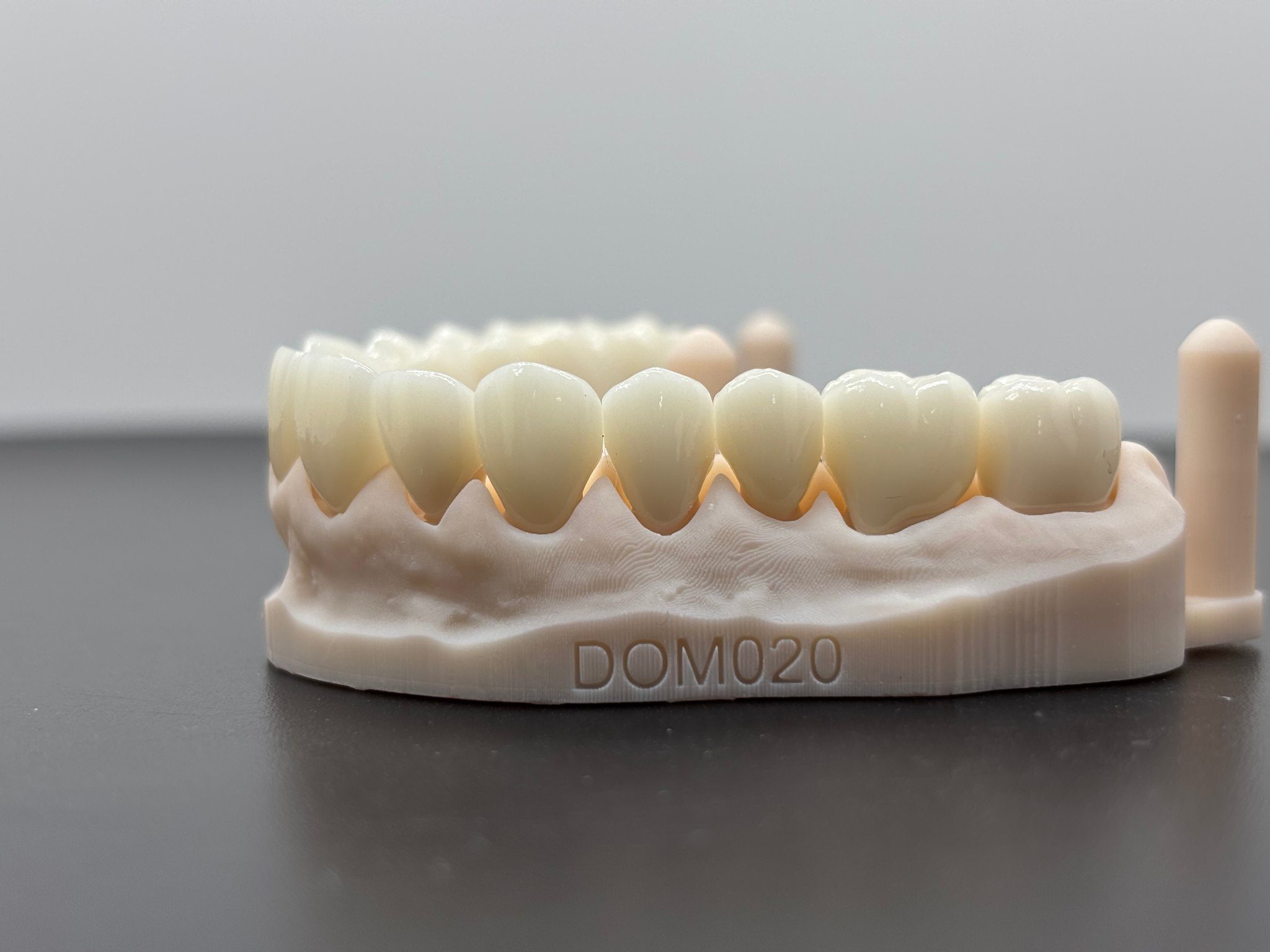
The approved restoration now has to be milled or printed and finished through the route selected for its material and indication. Sintering or other post-processing belongs only where required by that route. Use the instructions applicable to that material when setting up processing and finishing. A schedule from a different restoration is no substitute.
Keep the released file together with the material choice, shade and requested finish when you send the production order. Check that the file being processed is the released revision. A well-organized folder still permits an error if an operator selects an older export with a similar name.
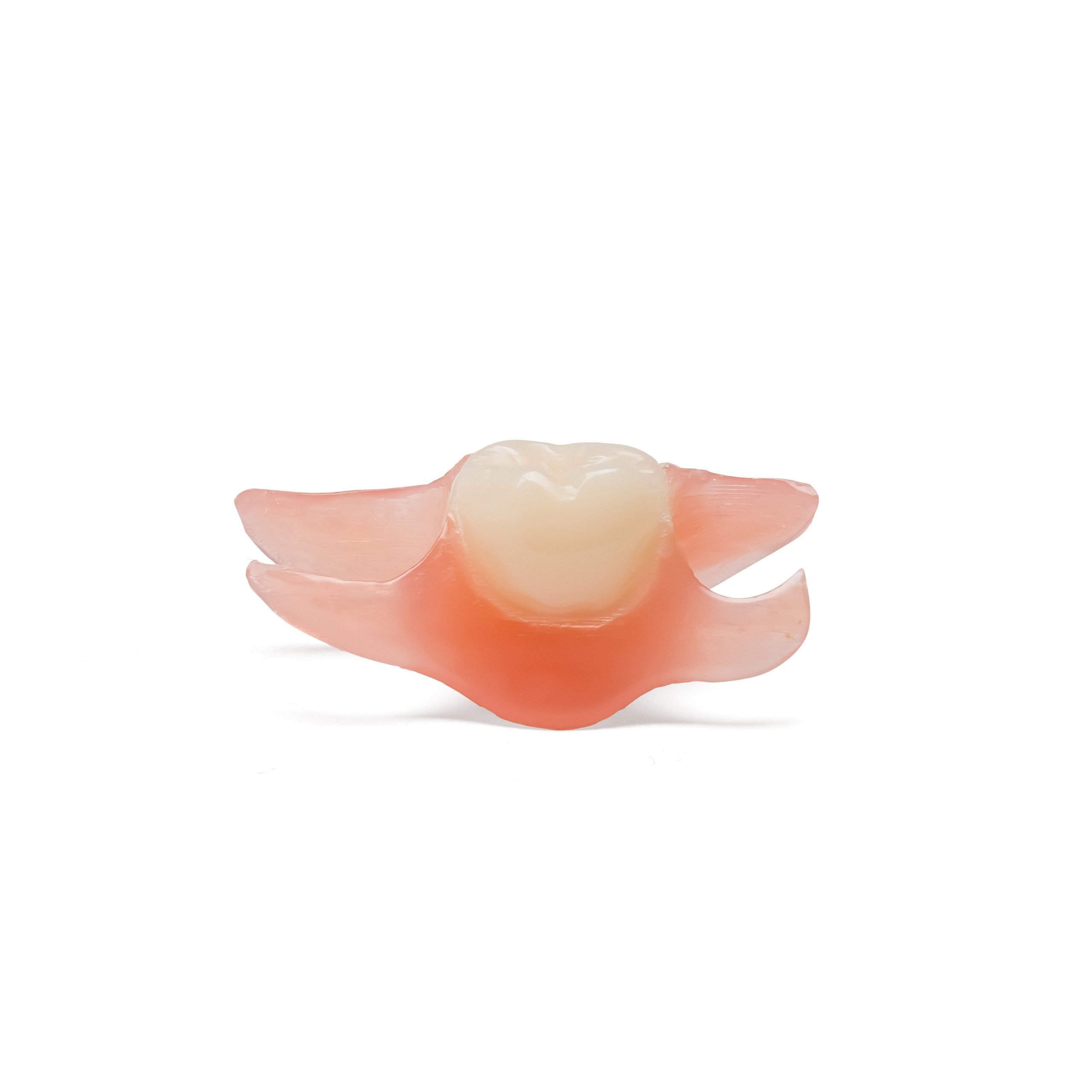
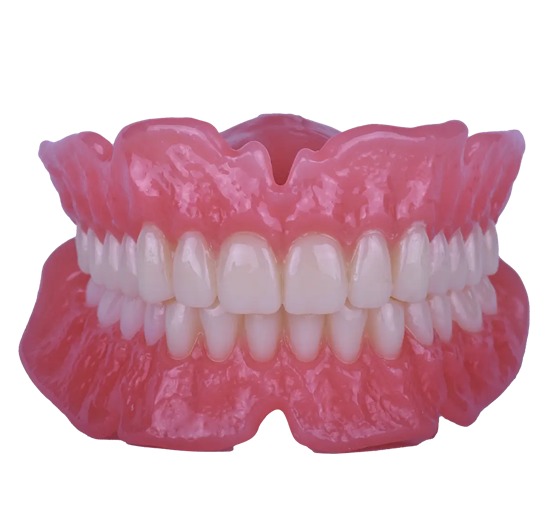
Different restoration families also need different records. Your cad cam dentures orders bring tooth arrangement, base design and jaw relationship into the review. Using the single-crown checklist here would leave those removable-restoration features unaddressed. You still need the same case traceability, with a different set of design checks.
Finished inspection closes the digital-to-physical gap
Design review and finished inspection answer different questions. CAD review examines the proposed geometry. Finished inspection examines what production actually made, including seating, marginal integrity, contacts, occlusion, anatomy and the agreed appearance requirements. A passed design review cannot establish that every later processing step produced the intended result.
Your inspection record should stay attached to the case and released revision. If the finished result differs from the expectation, return to the case records. Was that feature already present in the approved design, or did the difference appear during manufacture? Comparing the records helps your team choose the next investigation. That investigation does not establish that the lab controls every source of fit variation.
Case identification belongs on the outgoing files or shipment too. Keep the inspection record and released revision available: if your customer raises a query, your team needs to know which design and output are being discussed. Laboratory release still leaves clinical evaluation with the treating team.
A production workflow is a chain of resolved decisions
A case is ready to move when the next team has enough information to do its work. That means a usable scan and prescription for design, a recorded approval for production, and a checked restoration for dispatch. Leaving a question unresolved simply sends it downstream.
If you want SDS to handle design or continue through manufacturing, tell us the restoration requirements and which output your team needs to receive.
FAQ
What should accompany an intraoral scan?
Send the prescription with the tooth identification and restoration type, together with opposing-scan and bite records. The particular case determines the additional material, shade, photograph or implant information needed.
Can CAD design replace a missing margin record?
An unseen clinical boundary remains uncertain when the file reaches CAD. Ask for clarification or the required additional record before you approve a margin based on that area.
Does design approval mean the restoration has passed inspection?
No. Approval releases the agreed design. The physical restoration still needs inspection after manufacturing and finishing.
Can we outsource design while retaining production?
Yes. SDS provides design-only support as well as design plus manufacturing. Tell us which files you need for your production route before the order begins.
When should a revised case be reviewed again?
A material or geometry change can alter the conditions of the original approval. Recheck the affected requirements before release and record the new approval against the replacement version.
Contact Us