

Related news
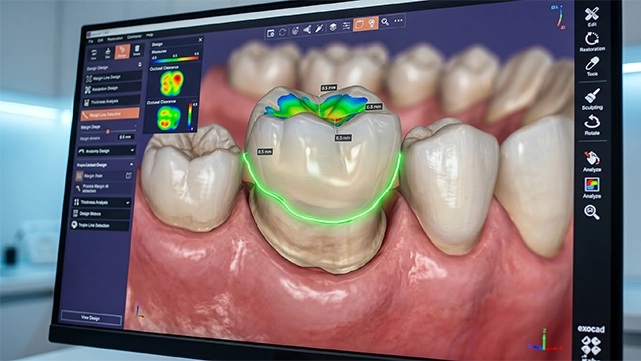
Dental CAD Design or Manufacturing Outsourcing Which Service Model Fits Your Lab
Dental labs often compare design-only support with a combined design-and-manufacturing partner when internal capacity is tight. The right choice depends on where work is slowing down, how much production control the lab wants to keep, and which handoffs create risk.
Start With the Bottleneck Not the Service Label
Outsourcing is not one fixed product. A laboratory may need extra CAD capacity for a queue of scans, or it may need a partner that can carry a case from digital design into restoration production. Treating both needs as the same purchase can create unnecessary handoffs and make quality ownership unclear.
Start with the queue in front of you. Are technicians waiting for usable design files, or are approved files sitting around because production is full? The first problem points to design support. The second may call for a partner that can also manufacture the case. That simple distinction often saves a lab from adding another handoff.
When Design Only Is the Better Starting Point
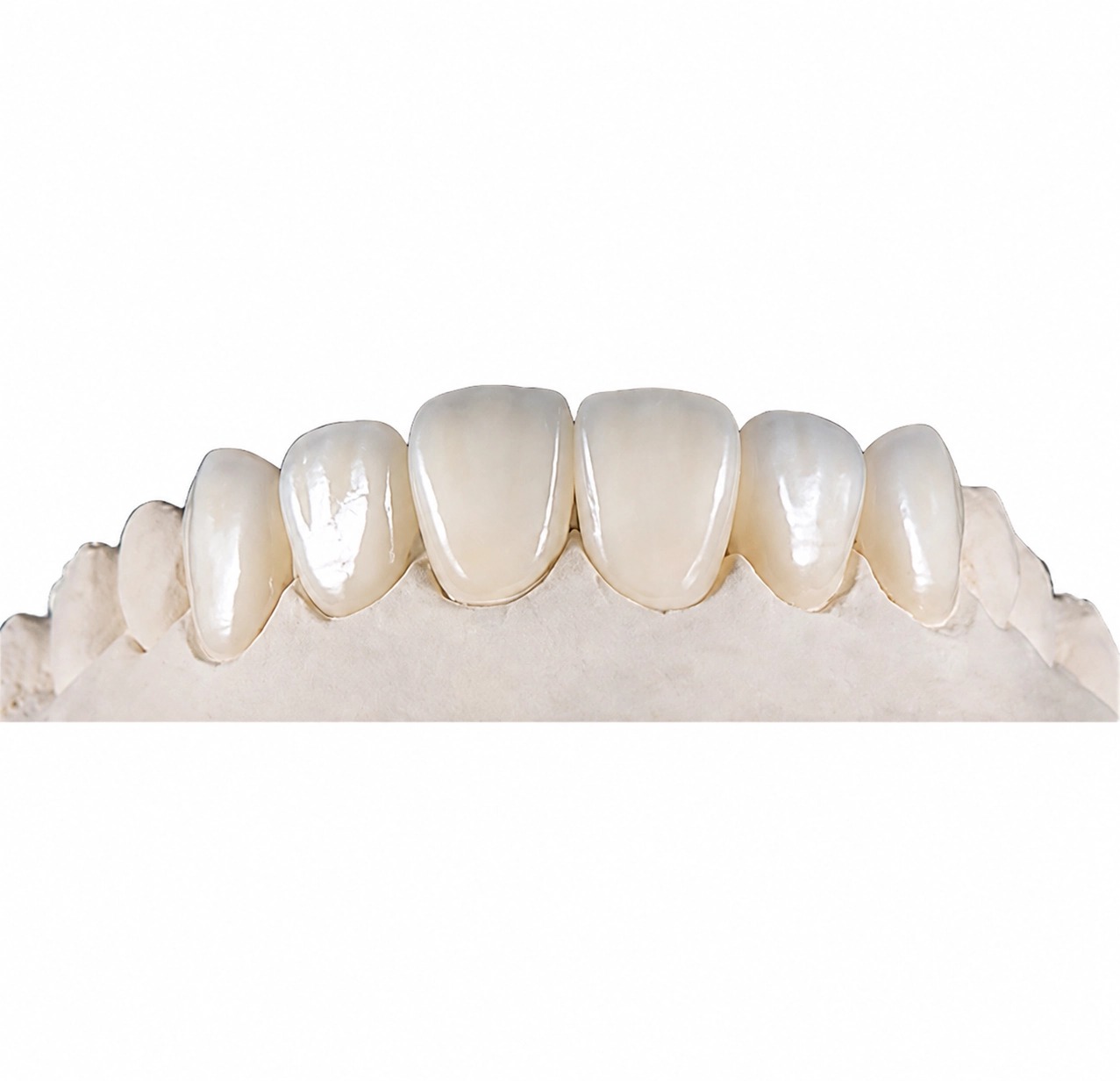
Design-only outsourcing is usually easier to test when the laboratory already has a preferred production workflow. The external team prepares the digital design while the lab keeps responsibility for material selection, machine settings, finishing, and final delivery. This can suit labs that want to add capacity without changing their manufacturing relationships.
Check These Conditions
- Your production equipment and operators already have available capacity.
- The main queue is crown and bridge, implant, full-arch, removable, or other CAD work.
- Your technicians need a repeatable file handoff and clear revision communication.
- You want to compare design quality before expanding the scope of cooperation.
A design-only pilot can begin with a clearly defined dental CAD design service and a small set of representative cases. Define the required inputs, output file type, review points, and who approves revisions before sending volume work.
When Design and Manufacturing Support Makes More Sense
Sometimes the design queue is only half the problem. The lab may also be short of production time, operators, or a reliable route for getting approved files made. In that situation, one partner can take the case requirements, prepare the design, and manufacture the selected restoration. Your team still makes the clinical and customer decisions; the point is to cut down the number of separate conversations.
Evaluate the Handoff Before You Commit
Ask how the partner separates design approval from manufacturing release. The workflow should make it clear which file is final, which material and restoration type were selected, and what happens if the design needs revision. A combined service is valuable only when it reduces ambiguity rather than hiding it.
For labs comparing restoration categories, review the relevant product group instead of relying on a generic service description. For example, a fixed-restoration team may want to compare the available fixed restoration options against its own material and finishing workflow.
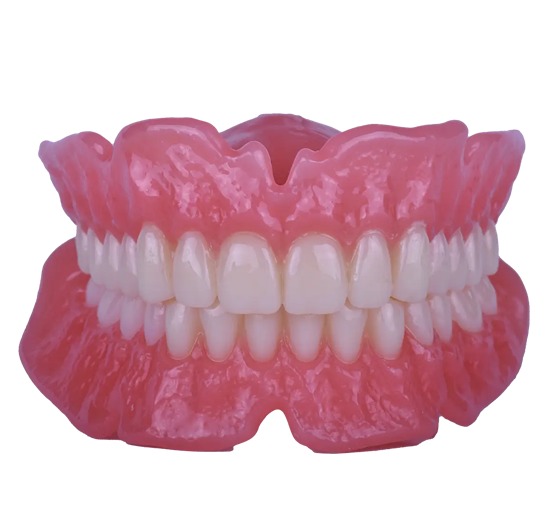
A Simple Comparison Framework for Dental Labs
Capacity location
Choose design-only when the digital queue is the constraint. Consider combined support when both approved designs and manufacturing orders are building up.
Control and accountability
Keep the approval owner, revision rules, and final inspection responsibilities explicit. The lowest number of suppliers is not automatically the lowest risk.
Case mix
Use representative cases from the work you actually outsource, including routine and technically demanding examples. Avoid judging a partner from one simple case.
Communication cost
Count how many times files, notes, and approval messages must move between teams. A model that looks cheaper can cost more if every revision requires a separate handoff.
Pilot scope
Start with a defined case group and measurable review points. Confirm what information is needed before submission and what the lab receives at each stage.
Questions to Ask Before Sending the First Case
- Which case information and scan files are required?
- Which design decisions remain with our technicians or dentists?
- How are revisions identified and approved?
- Which restoration categories can be manufactured after design approval?
- What files, inspection notes, and shipment information are returned?
- Who should we contact before an urgent or unusual case is sent?
Do not stop at the phrase “full service.” These questions show what the supplier will actually do, what your team still owns, and where a revision will go if something needs to change. That is the part worth testing on a small batch.
Recommended Path for a First Pilot
Imagine a small lab that receives a rush of implant scans every Friday. Its designers can keep up on Monday, but by Thursday the approved files are waiting for a machine slot. Sending more design work outside would not solve that second queue. A combined pilot might. Another lab may have two milling machines running below capacity while its only experienced designer is away. That lab has the opposite starting point: design-only help is probably enough. The point is not to pick the larger package. It is to match the handoff to the problem you can see in your own production board.
If your lab has not worked with an external partner before, begin with a limited design-only batch when your production process is stable. If production is already the bottleneck, ask for a combined pilot with the design approval boundary written down. In either case, compare revision frequency, communication clarity, file usability, and final inspection results before increasing volume.
SDS presents both CAD design and manufacturing support on its service page, so a lab can use the same initial case discussion to determine which scope fits the current bottleneck. The final decision should remain tied to your case mix, internal capacity, and quality-control responsibilities rather than to a generic promise of speed.
Next step: prepare one representative case, list the required restoration and material details, and ask the prospective partner to confirm the workflow before sending a larger batch.
Contact Us