
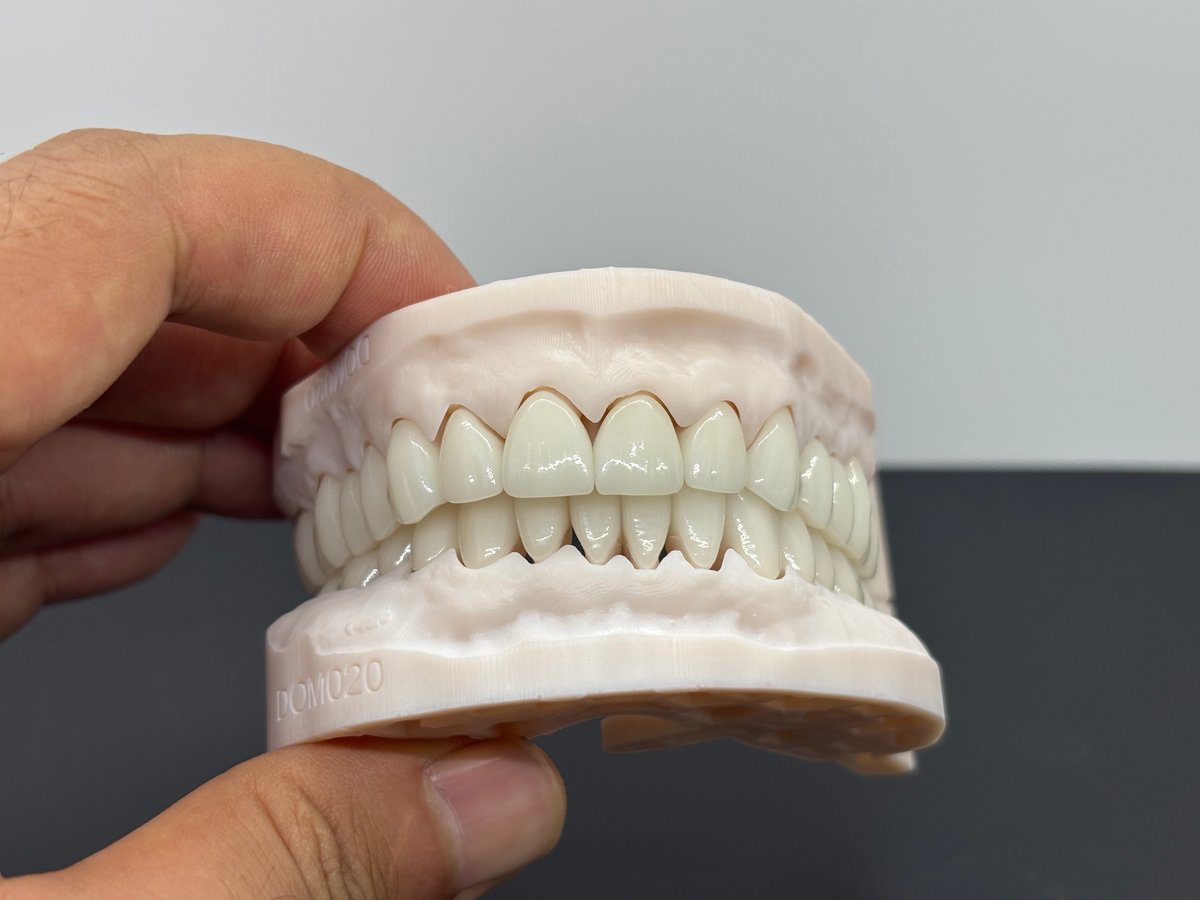
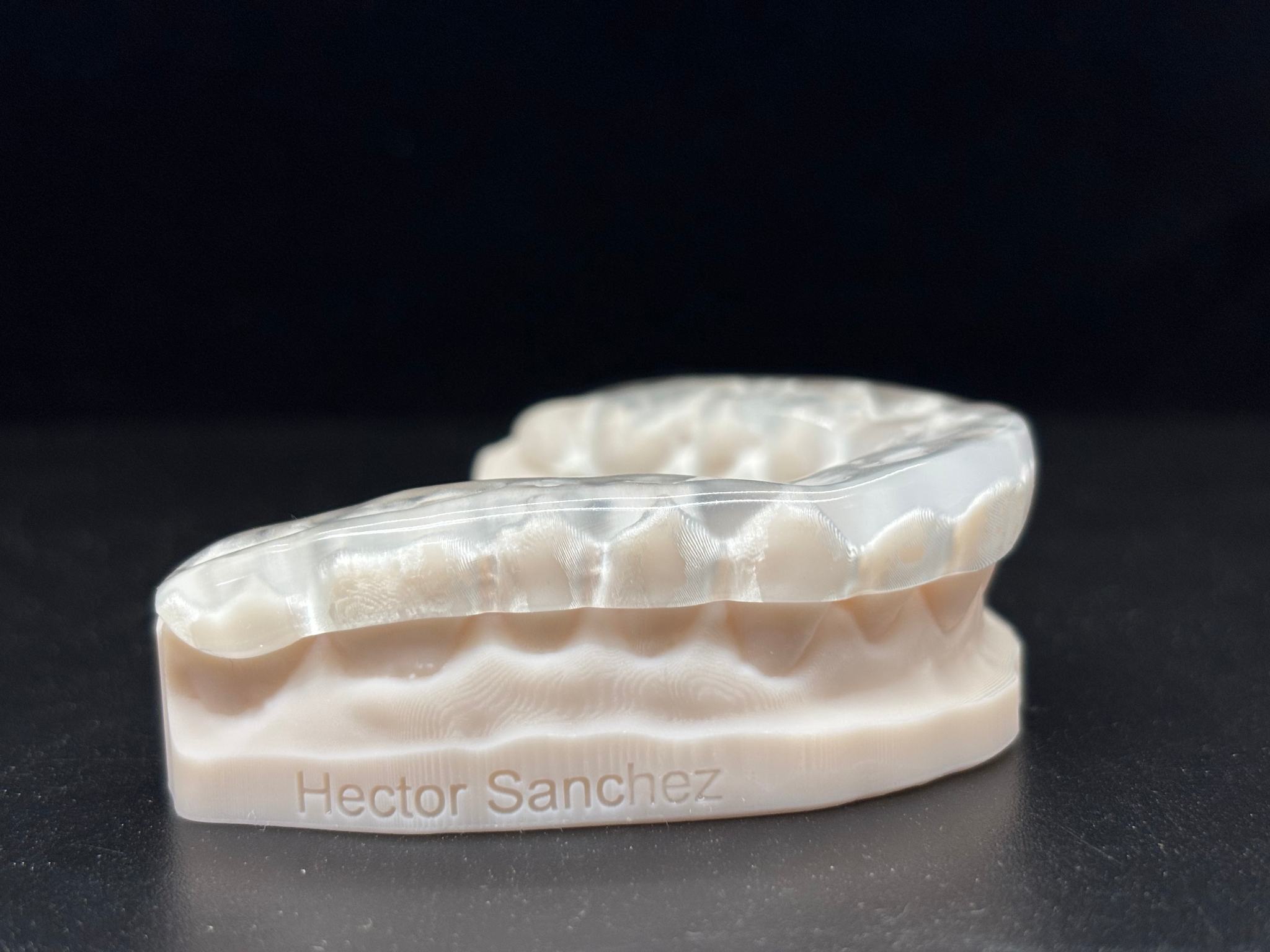
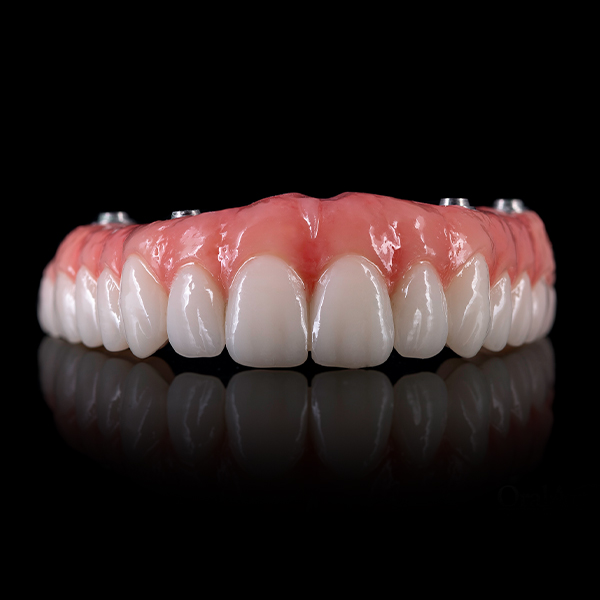

How Dental Labs Can Add Capacity During Peak Seasons Through Outsourcing
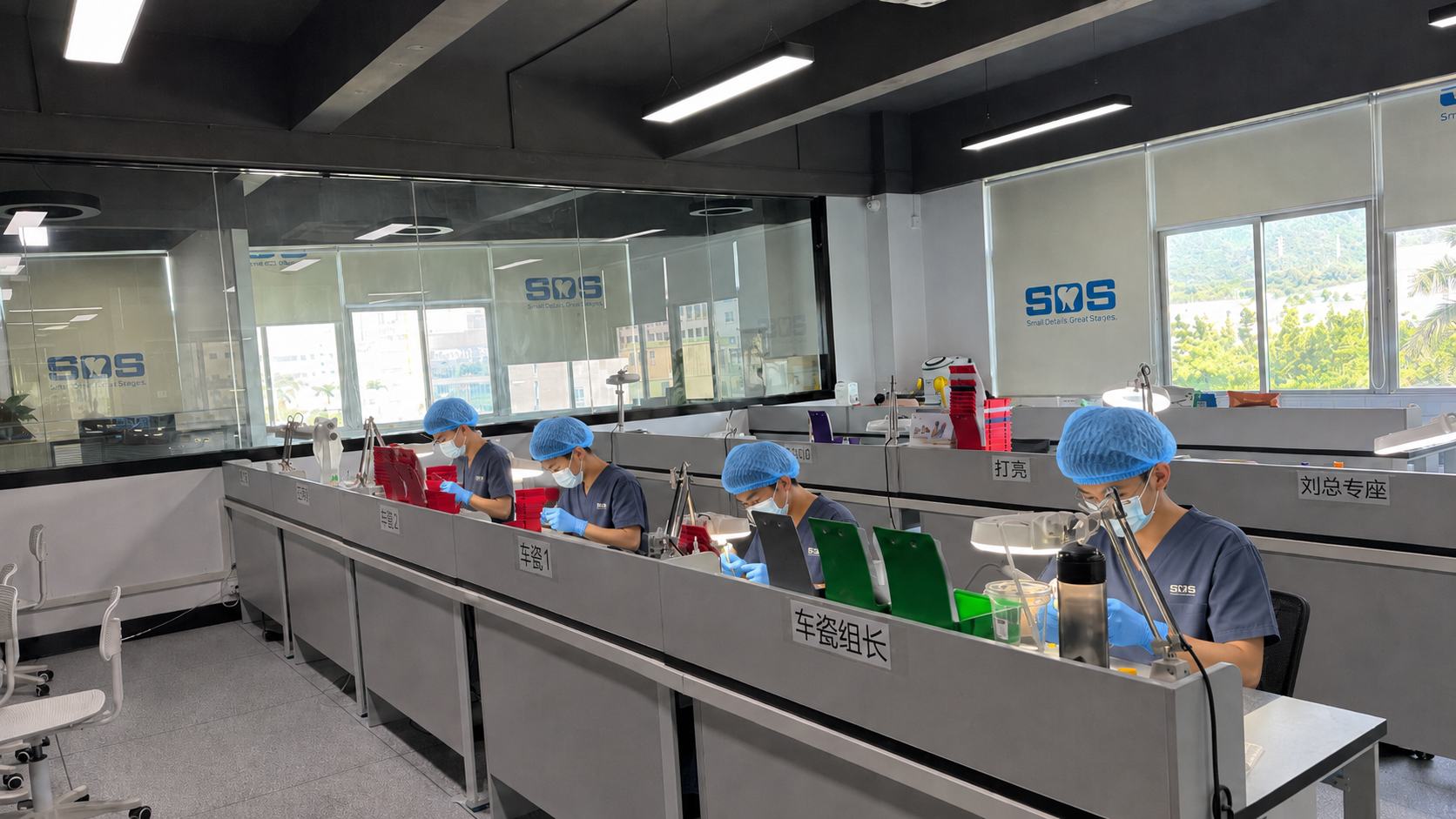 A full queue is not always a staffing problem. Sometimes it is simply a timing problem: several routine cases arrive together, an experienced designer is away, and an urgent implant case takes priority. In that situation, a laboratory may need extra hands for a short period without changing the way it approves work or speaks with its clients.
The useful partner is the one that fits into the lab’s existing routine. The lab still owns the prescription and the final approval. The outside team takes on an agreed part of the queue, sends questions through the agreed channel, and returns files in the format the production team can actually use. That arrangement is different from handing over responsibility without a review plan.
When Does Outsourcing Become a Capacity Decision?
Before sending cases out, name the bottleneck. Is the delay in CAD, in production, or in the back-and-forth needed to clarify a prescription? A small, well-defined problem is easier to outsource and easier to judge.
Signals that internal capacity is under pressure
- Routine crown and bridge cases are waiting behind complex implant or full-arch cases.
- Urgent cases require designers to work outside normal hours, increasing the chance of missed details.
- The laboratory is turning away cases or delaying delivery because the design queue is full.
- Different designers are applying inconsistent preferences for margins, contacts, occlusion, or anatomy.
Separate the bottleneck from the responsibility
The handoff should have an owner at each stage. One person confirms the prescription, another may review the design, and the laboratory decides how changes are communicated to the clinician. Writing this down avoids the familiar situation in which a case is technically finished but no one is sure who can release it.
Design-Only or Design-and-Manufacturing Support?
There is no single best outsourcing model. If the CAD queue is the problem, design-only support may be enough. If the lab is waiting for machine time, materials, finishing, or dispatch, adding production support may remove more of the delay.
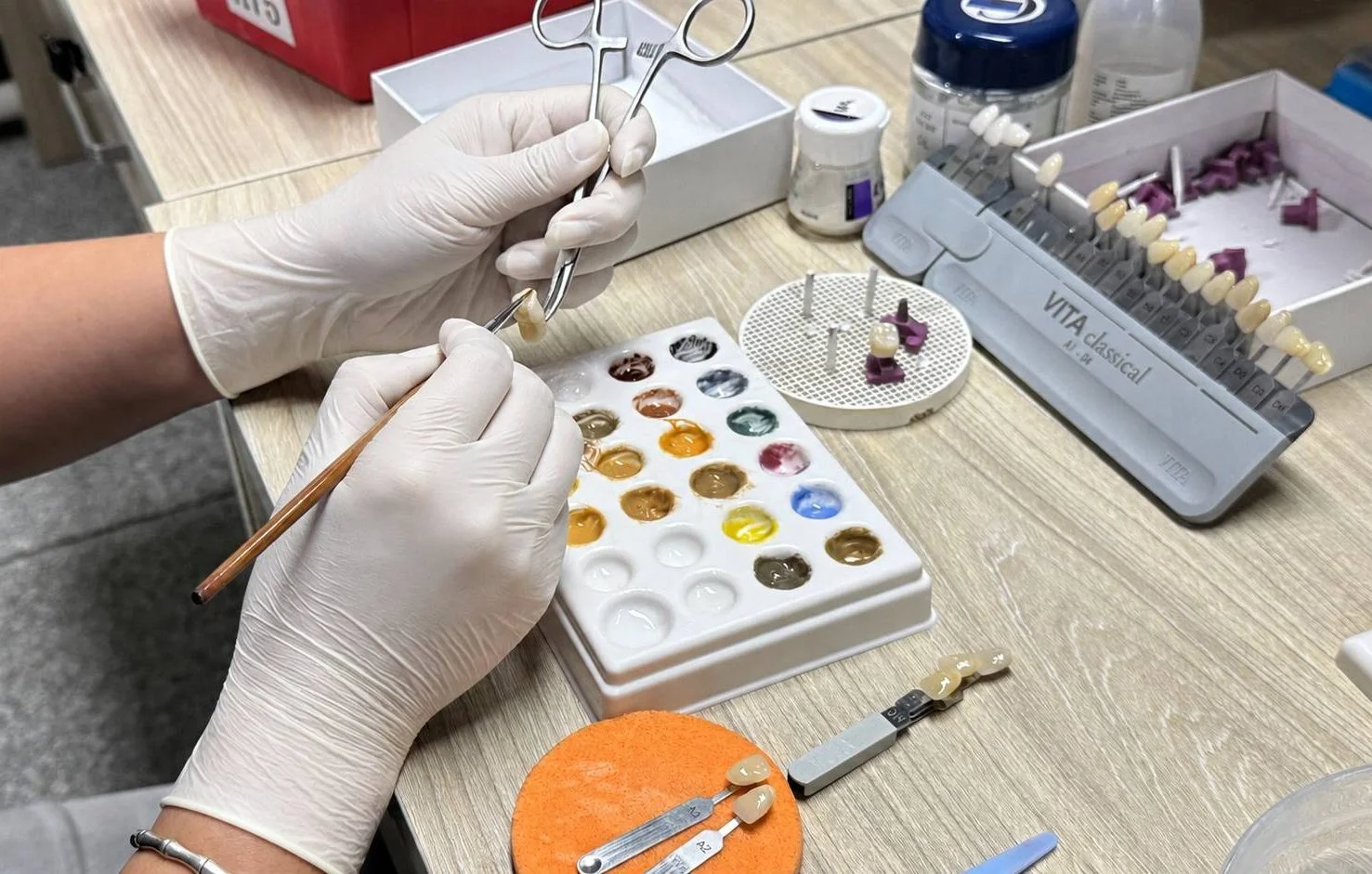
Choose design-only support when
- The laboratory needs additional CAD designers during a temporary order peak.
- The lab has established production parameters and wants to keep manufacturing in-house.
- The main issue is a queue of scan files awaiting design or approval.
- The lab wants to test collaboration with a small group of repeatable cases first.
Consider design-and-manufacturing support when
- The laboratory needs to reduce the number of handoffs between design, milling, finishing, and dispatch.
- A case requires production resources or materials that are not available internally.
- The lab wants one partner to coordinate design clarification and the production file.
- The expected volume is high enough that a defined external workflow can reduce internal scheduling pressure.
How to Start a Dental Lab Outsourcing Partnership
Start small. A pilot gives both teams a chance to discover what the prescription needs to contain, how revisions are marked, and which questions should be answered before design begins.
Define the case types
Start with a narrow, named group of cases such as fixed restorations, selected implant restorations, or another category the laboratory can review consistently. State which cases are excluded until the workflow is proven.
Send a complete case package
Include the scan files, opposing arch, bite record when needed, prescription, tooth numbers, restoration type, material preference, and any approved reference. A complete package reduces clarification loops and protects the delivery schedule.
Calibrate design preferences
Share examples or written instructions for margin placement, contact strength, occlusion, anatomy, emergence, and file naming. The goal is not to impose a generic default, but to make the laboratory’s own standards visible to the design team.
Review a pilot batch
Use a small pilot batch to evaluate communication, design revisions, file organization, and production readiness. Record recurring corrections instead of treating every change as an isolated complaint.
Increase volume gradually
Once the pilot batch is stable, add more case types or increase weekly volume. Keep a clear escalation path for urgent, incomplete, or clinically sensitive cases.
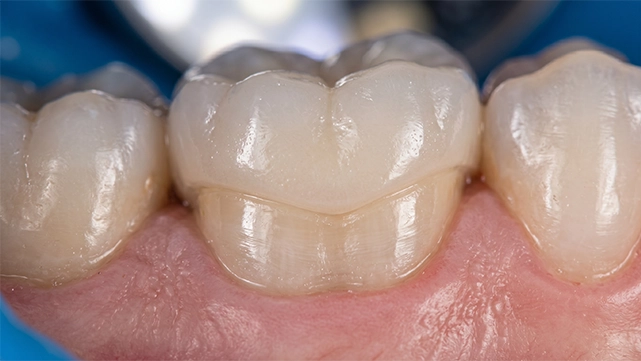
What Should Be Measured After Outsourcing Starts?
The partnership should be reviewed with the same operational discipline as an internal production line. The most useful measures are tied to time, quality, and communication.
- Turnaround time by case type, including clarification delays.
- Number and cause of design revisions before approval.
- Cases returned because of missing files, unclear prescriptions, or version confusion.
- Production issues identified after design approval.
- Responsiveness for urgent cases and consistency of the escalation process.
After a few weeks, review the pattern rather than one isolated case. If the queue is shorter and revisions are becoming predictable, the arrangement is adding capacity. If questions and corrections have simply moved to another inbox, the workflow needs to be adjusted before volume increases.
How SDS Can Support Dental Labs During Capacity Peaks
SDS supports overseas dental laboratories with dental CAD design services for cases that need additional design capacity, workflow coordination, and production-ready files. Depending on the project requirements, the laboratory can also review fixed restorations and related digital dental solutions through the product and service portfolio. The appropriate scope, turnaround, and case acceptance criteria should be confirmed for each project before launch.
Conclusion
Outsourcing is most useful when it gives the laboratory room to breathe without taking away its control. Define the part of the work that needs help, test it with a manageable group of cases, and keep the review rules visible to both teams. The result should be a steadier workflow, not another layer of uncertainty.
FAQs
Is dental lab outsourcing only useful during peak seasons?
No. Peak seasons make the need visible, but a stable outsourcing workflow can also support growth, staff absence, new service lines, or complex cases that exceed current in-house capacity.
Should a laboratory outsource design or manufacturing first?
Start with the stage creating the clearest bottleneck. If production resources are stable but the CAD queue is full, design-only support may be the simpler first step. If equipment, materials, or finishing capacity is limiting delivery, design-and-manufacturing support may be more suitable.
How can a laboratory protect its quality standards?
Provide written preferences and approved examples, begin with a pilot batch, define who approves each case, and track the reasons for revisions. Quality control should be based on the laboratory’s own acceptance criteria.
What information should be agreed before the first outsourced case?
Agree on accepted file formats, prescription requirements, case types, communication channels, revision handling, delivery expectations, and the responsibility for final approval.
Can outsourced support include complex implant or full-arch cases?
Potentially, but case acceptance must be confirmed in advance. Complex cases require complete records, clearly defined design responsibility, and an approval process that both the laboratory and clinician understand.
Contact Us